Harnessing the Power of the Sun: A Guide to Solar Power Electronic Parts and Tools
Category : | Sub Category : Affordable Distributors of Electronic Connectors Posted on 2024-11-05 22:25:23
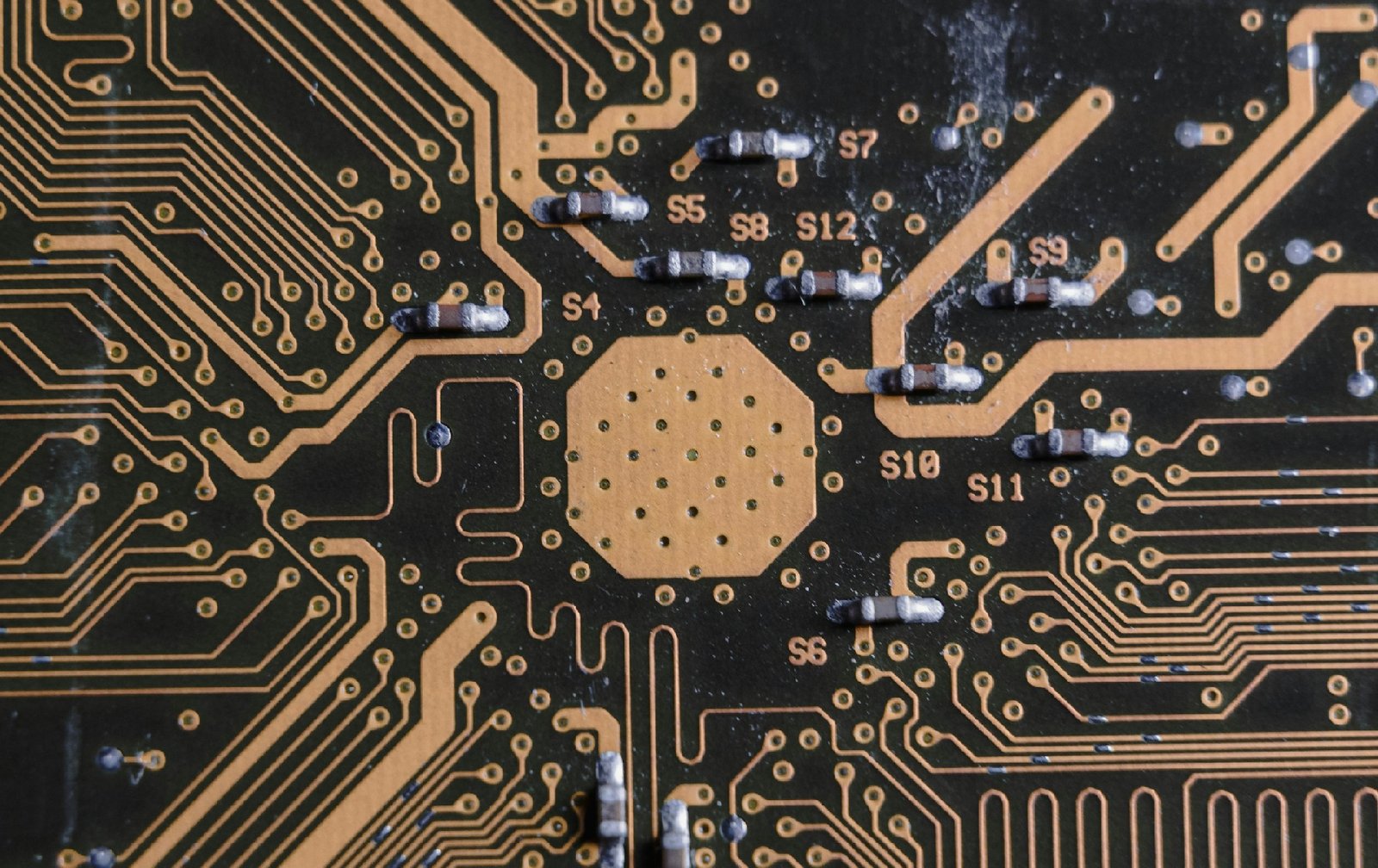
In today's world, where energy conservation and sustainable practices are becoming increasingly important, harnessing solar power has emerged as a viable alternative to traditional energy sources. Solar power relies on the sun's rays to generate electricity, making it a clean and renewable energy source that can help reduce our carbon footprint. To set up a solar power system, you will need the right electronic parts and tools to ensure efficient energy production and storage. In this guide, we will explore the essential electronic components and tools you will need to get started with solar power. Solar Panels: Solar panels are the cornerstone of any solar power system. These panels contain photovoltaic cells that convert sunlight into electrical energy. When selecting solar panels, consider factors such as efficiency, wattage, and durability to ensure optimal performance. Charge Controller: A charge controller is essential for regulating the flow of electricity from the solar panels to the battery bank. This device prevents overcharging and maintains the battery's health and longevity. Battery Bank: The battery bank stores the excess electricity generated by the solar panels for use during times when sunlight is not available, such as at night or on cloudy days. Deep-cycle batteries are commonly used in solar power systems due to their ability to withstand frequent charging and discharging cycles. Inverter: An inverter converts the direct current (DC) electricity produced by the solar panels into alternating current (AC) electricity that can be used to power household appliances and devices. Choose an inverter with the appropriate wattage and efficiency rating to meet your energy needs. Mounting Hardware: Proper mounting hardware is essential for securing the solar panels to the roof or ground, ensuring they are positioned for maximum sunlight exposure. Mounting hardware includes brackets, rails, and fasteners designed to withstand outdoor conditions. Monitoring System: A monitoring system allows you to track the performance of your solar power system in real-time. By monitoring factors such as energy production, battery status, and system efficiency, you can identify any issues quickly and optimize your system for maximum output. Tools: To install and maintain a solar power system, you will need a variety of tools such as a drill, screwdriver, wire stripper, voltage tester, and safety equipment. Having the right tools on hand will make the installation process smoother and safer. In conclusion, harnessing the power of the sun through solar power systems offers a sustainable and environmentally friendly energy solution. By understanding the essential electronic parts and tools required for a solar power system, you can embark on your journey towards energy independence and a greener future. Whether you are looking to reduce your electricity bills or minimize your carbon footprint, investing in solar power is a step in the right direction towards a cleaner and more sustainable world.
https://sunpowerpanels.com
Leave a Comment:
SEARCH
Recent News
- Vancouver is rapidly becoming a hub for innovative startups in the fields of GPU technology, artificial intelligence (AI), and electronics. These industries are thriving in the city, attracting entrepreneurs, investors, and talent from around the world. In this blog post, we will introduce some of the top startups in Vancouver that are making a significant impact in these sectors.
- **The Role of GPUs in Advancing AI Electronics in Vancouver's Import-Export Industry**
- Vancouver has emerged as a thriving hub for the electronics industry, especially in the realm of GPU and AI technologies. Companies in Vancouver are leading the way in developing cutting-edge solutions that leverage the power of GPUs and AI to drive innovation across various sectors.
- Vancouver is home to a thriving tech scene, with several companies leading the way in GPU, AI, and electronics innovation. In this article, we will take a look at some of the best companies in Vancouver that are at the forefront of these technologies.
- The UK government has been at the forefront of supporting businesses in various sectors, including electronics and AI, through a range of support programs. One key area where this support is particularly evident is in the development of GPU technology.
- In today's fast-paced technological landscape, the intersection of GPUs, AI, and electronics has revolutionized various industries. Ireland, known for its vibrant tech scene, is home to several top companies at the forefront of this cutting-edge integration. Let's take a closer look at some of the top Irish companies making significant strides in the GPU, AI, and electronics space.
- Tokyo is a hub for top companies in the fields of GPU, AI, and electronics. These companies play a significant role in driving innovation and technological advancements in various industries. Let's take a closer look at some of the top companies in Tokyo in these sectors.
- Tokyo is known for its vibrant startup scene, with numerous companies emerging in various industries, including GPU, AI, and electronics. In recent years, these three sectors have seen a surge in innovation and growth, driven by the increasing demand for advanced technology solutions.
READ MORE
11 months ago Category :

Vancouver is rapidly becoming a hub for innovative startups in the fields of GPU technology, artificial intelligence (AI), and electronics. These industries are thriving in the city, attracting entrepreneurs, investors, and talent from around the world. In this blog post, we will introduce some of the top startups in Vancouver that are making a significant impact in these sectors.
Read More →11 months ago Category :

**The Role of GPUs in Advancing AI Electronics in Vancouver's Import-Export Industry**
Read More →11 months ago Category :

Vancouver has emerged as a thriving hub for the electronics industry, especially in the realm of GPU and AI technologies. Companies in Vancouver are leading the way in developing cutting-edge solutions that leverage the power of GPUs and AI to drive innovation across various sectors.
Read More →11 months ago Category :
