A Beginner's Guide to Self-Studying Electronic Parts and Tools
Category : | Sub Category : Affordable Distributors of Electronic Connectors Posted on 2024-11-05 22:25:23
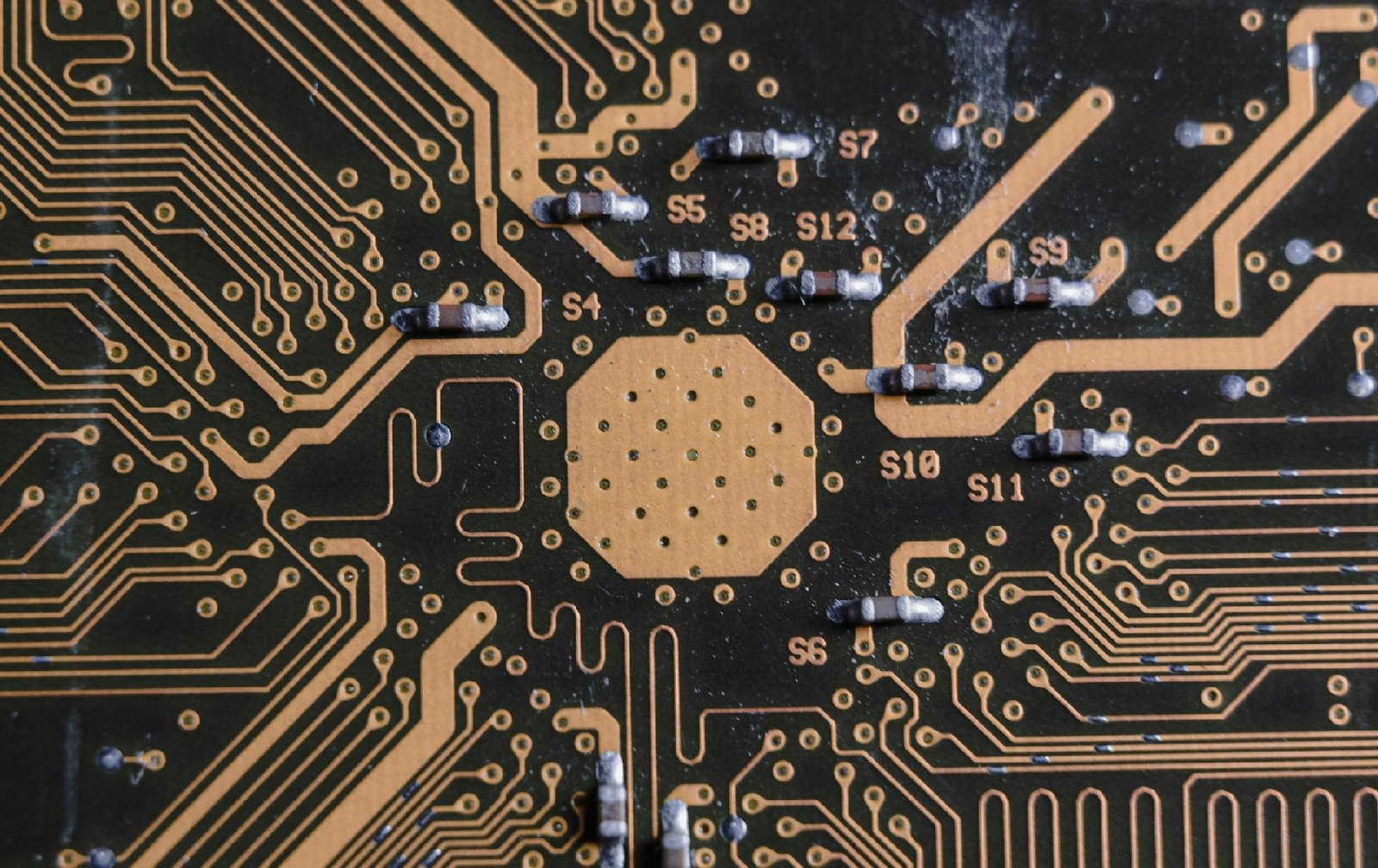
Are you looking to dive into the world of electronics but don't know where to start? Self-studying electronic parts and tools can be a rewarding journey for both hobbyists and aspiring professionals. Whether you want to build your own gadgets, repair electronics, or delve into the fascinating world of circuit design, this guide will help you get started on the right track. **1. Understanding Electronic Parts:** Before working on any electronic project, it's essential to familiarize yourself with the basic electronic components. Resistors, capacitors, transistors, diodes, and integrated circuits are just a few of the components you'll encounter. Take the time to study their functions, symbols, and specifications. Online resources, books, and tutorials can be valuable tools in learning about electronic parts. **2. Exploring Tools of the Trade:** Having the right tools is crucial for any electronic project. Start building your toolkit with essentials such as a soldering iron, multimeter, wire strippers, and a breadboard. As you progress, you may want to invest in additional tools like oscilloscopes, power supplies, and logic analyzers. Learning how to use these tools effectively will enhance your understanding of electronics. **3. Hands-On Projects:** The best way to learn electronics is by hands-on experience. Start with simple projects like building a LED circuit, creating a basic amplifier, or designing a power supply. Online project tutorials and DIY kits can be great resources for beginners. As you gain confidence, challenge yourself with more complex projects like building a robot or designing your own PCB. **4. Joining Online Communities:** Engaging with like-minded individuals can greatly benefit your self-study journey. Join online communities, forums, and social media groups dedicated to electronics. These platforms are valuable resources for asking questions, sharing your projects, and learning from others' experiences. Don't be afraid to seek guidance and advice from fellow enthusiasts. **5. Continuing Education:** Electronics is a constantly evolving field, so it's essential to stay updated on the latest trends and technologies. Consider taking online courses, attending workshops, or reading industry publications to expand your knowledge. Building a strong foundation in electronics will open up a world of opportunities for you in the future. Embarking on a self-study journey in electronic parts and tools can be a rewarding and fulfilling experience. With dedication, curiosity, and a passion for learning, you can master the fundamentals of electronics and bring your creative projects to life. Remember, the key to success lies in practice, perseverance, and a willingness to explore new concepts. Happy tinkering!
Leave a Comment:
SEARCH
Recent News
- Vancouver is rapidly becoming a hub for innovative startups in the fields of GPU technology, artificial intelligence (AI), and electronics. These industries are thriving in the city, attracting entrepreneurs, investors, and talent from around the world. In this blog post, we will introduce some of the top startups in Vancouver that are making a significant impact in these sectors.
- **The Role of GPUs in Advancing AI Electronics in Vancouver's Import-Export Industry**
- Vancouver has emerged as a thriving hub for the electronics industry, especially in the realm of GPU and AI technologies. Companies in Vancouver are leading the way in developing cutting-edge solutions that leverage the power of GPUs and AI to drive innovation across various sectors.
- Vancouver is home to a thriving tech scene, with several companies leading the way in GPU, AI, and electronics innovation. In this article, we will take a look at some of the best companies in Vancouver that are at the forefront of these technologies.
- The UK government has been at the forefront of supporting businesses in various sectors, including electronics and AI, through a range of support programs. One key area where this support is particularly evident is in the development of GPU technology.
- In today's fast-paced technological landscape, the intersection of GPUs, AI, and electronics has revolutionized various industries. Ireland, known for its vibrant tech scene, is home to several top companies at the forefront of this cutting-edge integration. Let's take a closer look at some of the top Irish companies making significant strides in the GPU, AI, and electronics space.
- Tokyo is a hub for top companies in the fields of GPU, AI, and electronics. These companies play a significant role in driving innovation and technological advancements in various industries. Let's take a closer look at some of the top companies in Tokyo in these sectors.
- Tokyo is known for its vibrant startup scene, with numerous companies emerging in various industries, including GPU, AI, and electronics. In recent years, these three sectors have seen a surge in innovation and growth, driven by the increasing demand for advanced technology solutions.
READ MORE
11 months ago Category :

Vancouver is rapidly becoming a hub for innovative startups in the fields of GPU technology, artificial intelligence (AI), and electronics. These industries are thriving in the city, attracting entrepreneurs, investors, and talent from around the world. In this blog post, we will introduce some of the top startups in Vancouver that are making a significant impact in these sectors.
Read More →11 months ago Category :

**The Role of GPUs in Advancing AI Electronics in Vancouver's Import-Export Industry**
Read More →11 months ago Category :

Vancouver has emerged as a thriving hub for the electronics industry, especially in the realm of GPU and AI technologies. Companies in Vancouver are leading the way in developing cutting-edge solutions that leverage the power of GPUs and AI to drive innovation across various sectors.
Read More →11 months ago Category :
