Robotics: Essential Electronic Parts and Tools
Category : | Sub Category : Affordable Distributors of Electronic Connectors Posted on 2024-11-05 22:25:23
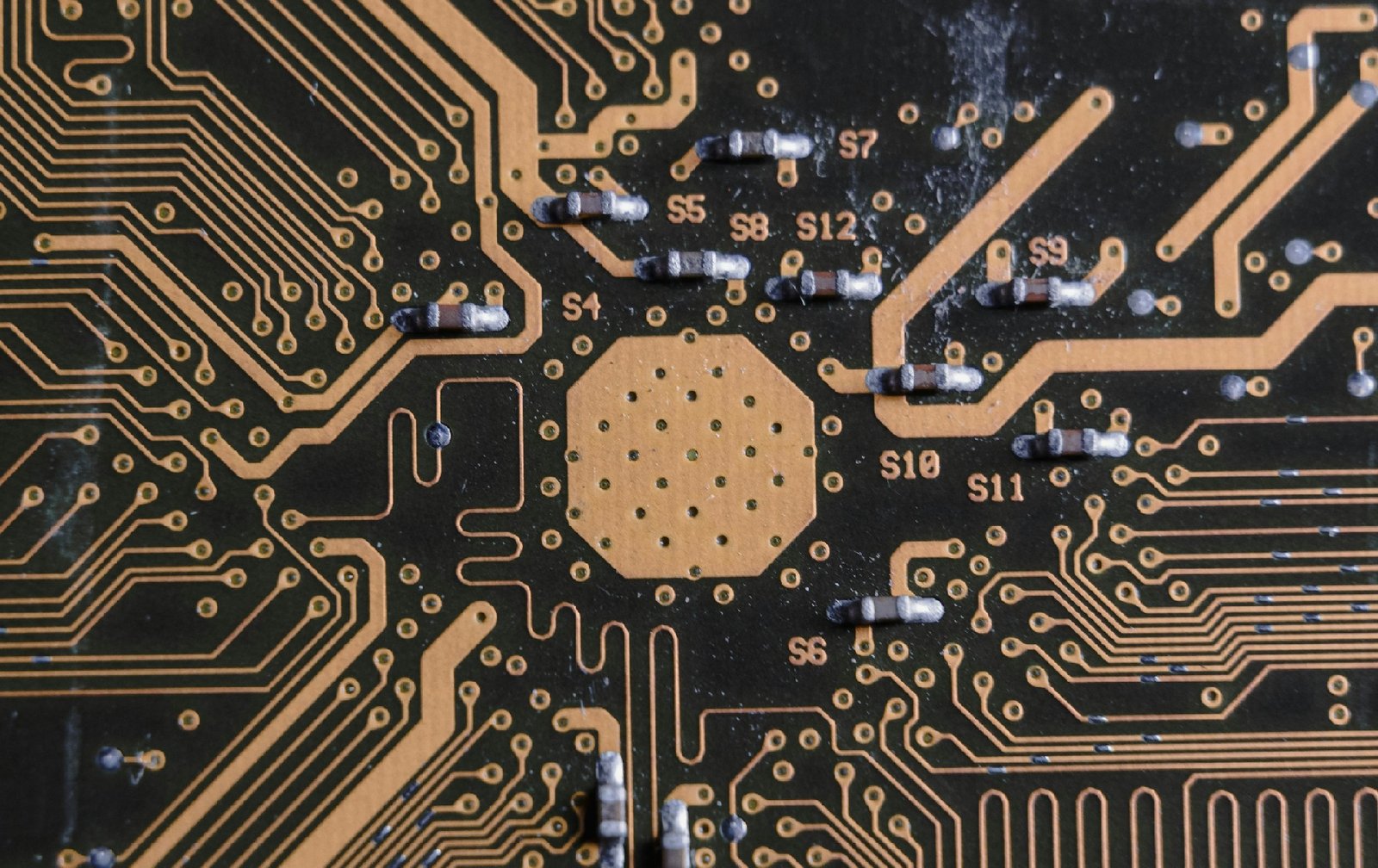
Robotics is a field that combines science, engineering, and technology to create robots or automated systems that can perform various tasks. Whether you are a hobbyist building a small robot or a professional working on advanced robotics projects, having the right electronic parts and tools is essential for success. In this blog post, we will explore some of the key electronic components and tools commonly used in robotics projects. 1. Microcontrollers: Microcontrollers are the brains of a robot, responsible for controlling its movement and functionality. Popular choices for robotics projects include Arduino and Raspberry Pi, which are versatile and easy to program. 2. Sensors: Sensors are crucial for robots to interact with their environment. Common sensors used in robotics include ultrasonic sensors, infrared sensors, and gyroscopes, which provide feedback on distance, obstacles, orientation, and more. 3. Motors: Motors are used to actuate the movement of a robot. DC motors, servo motors, and stepper motors are commonly used in robotics to control the speed and direction of wheels, arms, or other moving parts. 4. Motor Drivers: Motor drivers are electronic circuits that control the speed and direction of motors. They are necessary to interface the low-voltage signals from a microcontroller with the high-current requirements of motors. 5. Batteries: Power is essential for any robot to function. Choosing the right battery is crucial to ensure your robot has enough energy to operate efficiently. Factors to consider include voltage, capacity, and size. 6. Chassis and Wheels: The chassis serves as the framework of a robot, providing structural support for mounting electronic components. Wheels are essential for mobility and can come in various designs, such as mecanum wheels for omnidirectional movement. 7. Soldering Iron and Tools: Assembling electronic components often requires soldering. A quality soldering iron, solder wire, and other tools like wire cutters and helping hands are indispensable for building robotic circuits. 8. Prototyping Board: Prototyping boards, such as breadboards or printed circuit boards (PCBs), are used to create and test circuits before soldering them permanently. They allow for quick iterations and modifications during the design phase. 9. Programming Software: Programming is essential for customizing the behavior of a robot. Software tools like Arduino IDE, Python, or ROS (Robot Operating System) provide powerful platforms for writing and deploying code to interact with hardware components. 10. Multimeter: A multimeter is a versatile tool for measuring voltage, current, and resistance in electronic circuits. It is essential for troubleshooting and ensuring the proper functioning of components. In conclusion, robotics projects require a diverse range of electronic parts and tools to bring your creations to life. By understanding the roles of each component and investing in quality equipment, you can embark on exciting robot-building adventures with confidence. Whether you are a beginner or an experienced roboticist, having the right tools at your disposal will set you up for success in the world of robotics.
Leave a Comment:
SEARCH
Recent News
- Vancouver is rapidly becoming a hub for innovative startups in the fields of GPU technology, artificial intelligence (AI), and electronics. These industries are thriving in the city, attracting entrepreneurs, investors, and talent from around the world. In this blog post, we will introduce some of the top startups in Vancouver that are making a significant impact in these sectors.
- **The Role of GPUs in Advancing AI Electronics in Vancouver's Import-Export Industry**
- Vancouver has emerged as a thriving hub for the electronics industry, especially in the realm of GPU and AI technologies. Companies in Vancouver are leading the way in developing cutting-edge solutions that leverage the power of GPUs and AI to drive innovation across various sectors.
- Vancouver is home to a thriving tech scene, with several companies leading the way in GPU, AI, and electronics innovation. In this article, we will take a look at some of the best companies in Vancouver that are at the forefront of these technologies.
- The UK government has been at the forefront of supporting businesses in various sectors, including electronics and AI, through a range of support programs. One key area where this support is particularly evident is in the development of GPU technology.
- In today's fast-paced technological landscape, the intersection of GPUs, AI, and electronics has revolutionized various industries. Ireland, known for its vibrant tech scene, is home to several top companies at the forefront of this cutting-edge integration. Let's take a closer look at some of the top Irish companies making significant strides in the GPU, AI, and electronics space.
- Tokyo is a hub for top companies in the fields of GPU, AI, and electronics. These companies play a significant role in driving innovation and technological advancements in various industries. Let's take a closer look at some of the top companies in Tokyo in these sectors.
- Tokyo is known for its vibrant startup scene, with numerous companies emerging in various industries, including GPU, AI, and electronics. In recent years, these three sectors have seen a surge in innovation and growth, driven by the increasing demand for advanced technology solutions.
READ MORE
11 months ago Category :

Vancouver is rapidly becoming a hub for innovative startups in the fields of GPU technology, artificial intelligence (AI), and electronics. These industries are thriving in the city, attracting entrepreneurs, investors, and talent from around the world. In this blog post, we will introduce some of the top startups in Vancouver that are making a significant impact in these sectors.
Read More →11 months ago Category :

**The Role of GPUs in Advancing AI Electronics in Vancouver's Import-Export Industry**
Read More →11 months ago Category :

Vancouver has emerged as a thriving hub for the electronics industry, especially in the realm of GPU and AI technologies. Companies in Vancouver are leading the way in developing cutting-edge solutions that leverage the power of GPUs and AI to drive innovation across various sectors.
Read More →11 months ago Category :
