Essential Electronic Parts and Tools for Programming
Category : | Sub Category : Affordable Distributors of Electronic Connectors Posted on 2024-11-05 22:25:23
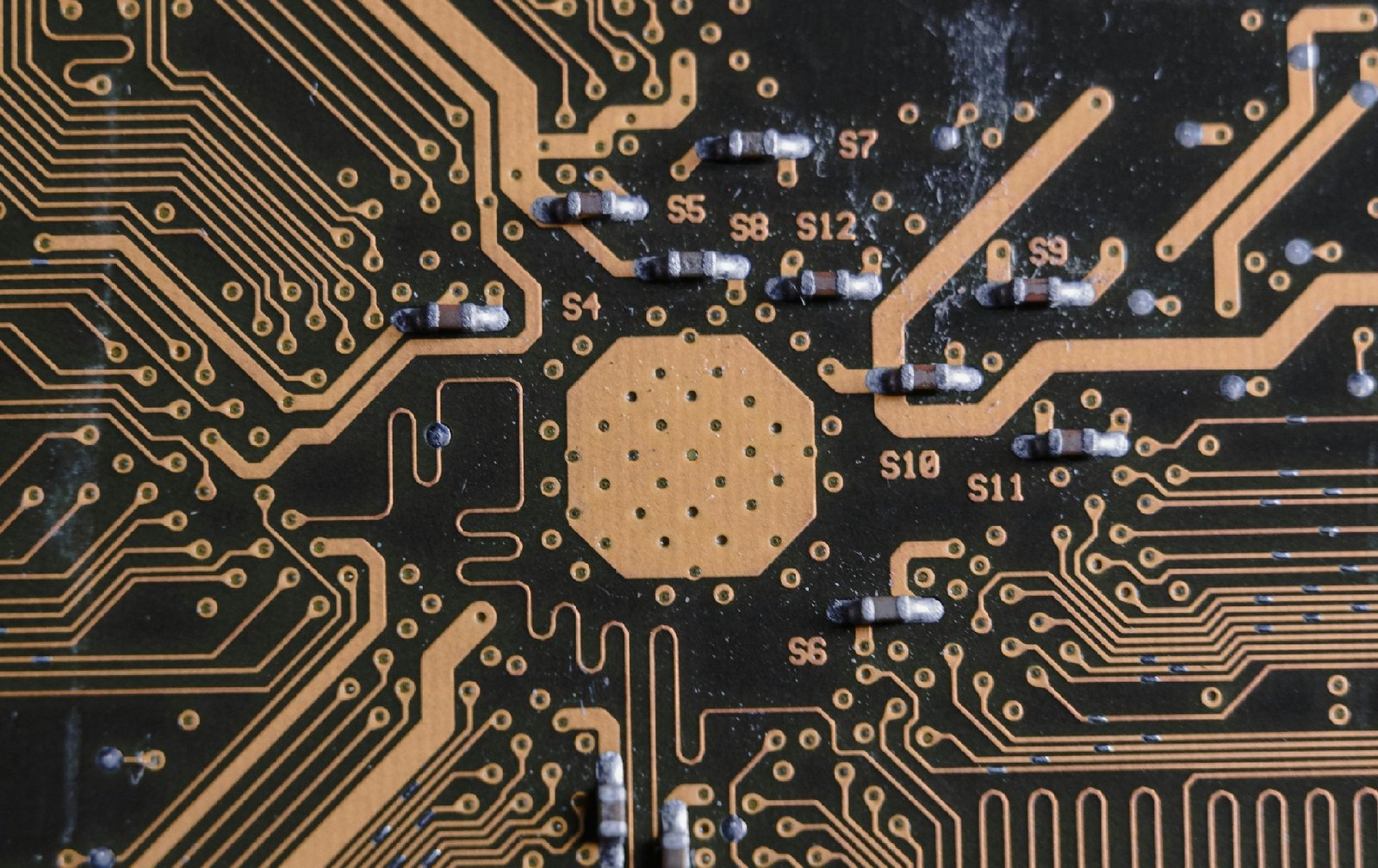
Are you looking to dive into the world of electronics and programming? If so, you'll need a good understanding of essential electronic parts and tools to get started. Whether you're working on a fun DIY project or diving into a more complex programming endeavor, having the right components and tools at your disposal is crucial. In this blog post, we'll explore some of the must-have electronic parts and tools for programming enthusiasts. 1. Microcontrollers: Microcontrollers are the brains behind any electronic project. They are programmable chips that can control various functions of your electronic device. Popular microcontrollers like Arduino and Raspberry Pi are great choices for beginners due to their user-friendly interfaces and extensive online support. 2. Breadboard: A breadboard is a crucial tool for prototyping and testing electronic circuits. It allows you to quickly connect and disconnect components without the need for soldering. This makes it easy to experiment with different circuit configurations before finalizing your design. 3. Jumper Wires: Jumper wires are essential for creating connections on a breadboard or between different components. They come in various lengths and colors, making it easy to organize and troubleshoot your circuits. 4. Sensors: Sensors are devices that detect changes in their environment and send corresponding signals to a microcontroller. Common sensors like temperature sensors, light sensors, and motion sensors are great for adding interactivity and functionality to your projects. 5. LEDs and Resistors: Light-emitting diodes (LEDs) are inexpensive components that can add visual feedback to your projects. Resistors are used to limit the current flowing through the LEDs, preventing them from burning out. Both components are crucial for building simple displays and indicators. 6. Programming Software: To program your microcontrollers, you'll need the appropriate programming software. Depending on the microcontroller you're using, this could be Arduino IDE, Python, or other development environments. These tools allow you to write, upload, and debug code for your electronic projects. 7. Multimeter: A multimeter is a versatile tool for measuring voltage, current, and resistance in electronic circuits. It's essential for troubleshooting faulty connections, checking component values, and ensuring the proper functioning of your circuits. 8. Soldering Iron: While breadboards are great for prototyping, soldering is often required for permanent circuit connections. A good soldering iron, solder, and flux are essential for soldering components onto a PCB or creating custom circuits. By having these essential electronic parts and tools in your arsenal, you'll be well-equipped to start programming and experimenting with electronics. Whether you're a hobbyist or aspiring engineer, mastering these components will open up a world of possibilities for your projects. So, roll up your sleeves, gather your tools, and start creating!
Leave a Comment:
SEARCH
Recent News
- Vancouver is rapidly becoming a hub for innovative startups in the fields of GPU technology, artificial intelligence (AI), and electronics. These industries are thriving in the city, attracting entrepreneurs, investors, and talent from around the world. In this blog post, we will introduce some of the top startups in Vancouver that are making a significant impact in these sectors.
- **The Role of GPUs in Advancing AI Electronics in Vancouver's Import-Export Industry**
- Vancouver has emerged as a thriving hub for the electronics industry, especially in the realm of GPU and AI technologies. Companies in Vancouver are leading the way in developing cutting-edge solutions that leverage the power of GPUs and AI to drive innovation across various sectors.
- Vancouver is home to a thriving tech scene, with several companies leading the way in GPU, AI, and electronics innovation. In this article, we will take a look at some of the best companies in Vancouver that are at the forefront of these technologies.
- The UK government has been at the forefront of supporting businesses in various sectors, including electronics and AI, through a range of support programs. One key area where this support is particularly evident is in the development of GPU technology.
- In today's fast-paced technological landscape, the intersection of GPUs, AI, and electronics has revolutionized various industries. Ireland, known for its vibrant tech scene, is home to several top companies at the forefront of this cutting-edge integration. Let's take a closer look at some of the top Irish companies making significant strides in the GPU, AI, and electronics space.
- Tokyo is a hub for top companies in the fields of GPU, AI, and electronics. These companies play a significant role in driving innovation and technological advancements in various industries. Let's take a closer look at some of the top companies in Tokyo in these sectors.
- Tokyo is known for its vibrant startup scene, with numerous companies emerging in various industries, including GPU, AI, and electronics. In recent years, these three sectors have seen a surge in innovation and growth, driven by the increasing demand for advanced technology solutions.
READ MORE
11 months ago Category :

Vancouver is rapidly becoming a hub for innovative startups in the fields of GPU technology, artificial intelligence (AI), and electronics. These industries are thriving in the city, attracting entrepreneurs, investors, and talent from around the world. In this blog post, we will introduce some of the top startups in Vancouver that are making a significant impact in these sectors.
Read More →11 months ago Category :

**The Role of GPUs in Advancing AI Electronics in Vancouver's Import-Export Industry**
Read More →11 months ago Category :

Vancouver has emerged as a thriving hub for the electronics industry, especially in the realm of GPU and AI technologies. Companies in Vancouver are leading the way in developing cutting-edge solutions that leverage the power of GPUs and AI to drive innovation across various sectors.
Read More →11 months ago Category :
