A Guide to Essential Electronic Parts and Tools for Electronics Design and Embedded Systems
Category : | Sub Category : Affordable Distributors of Electronic Connectors Posted on 2024-11-05 22:25:23
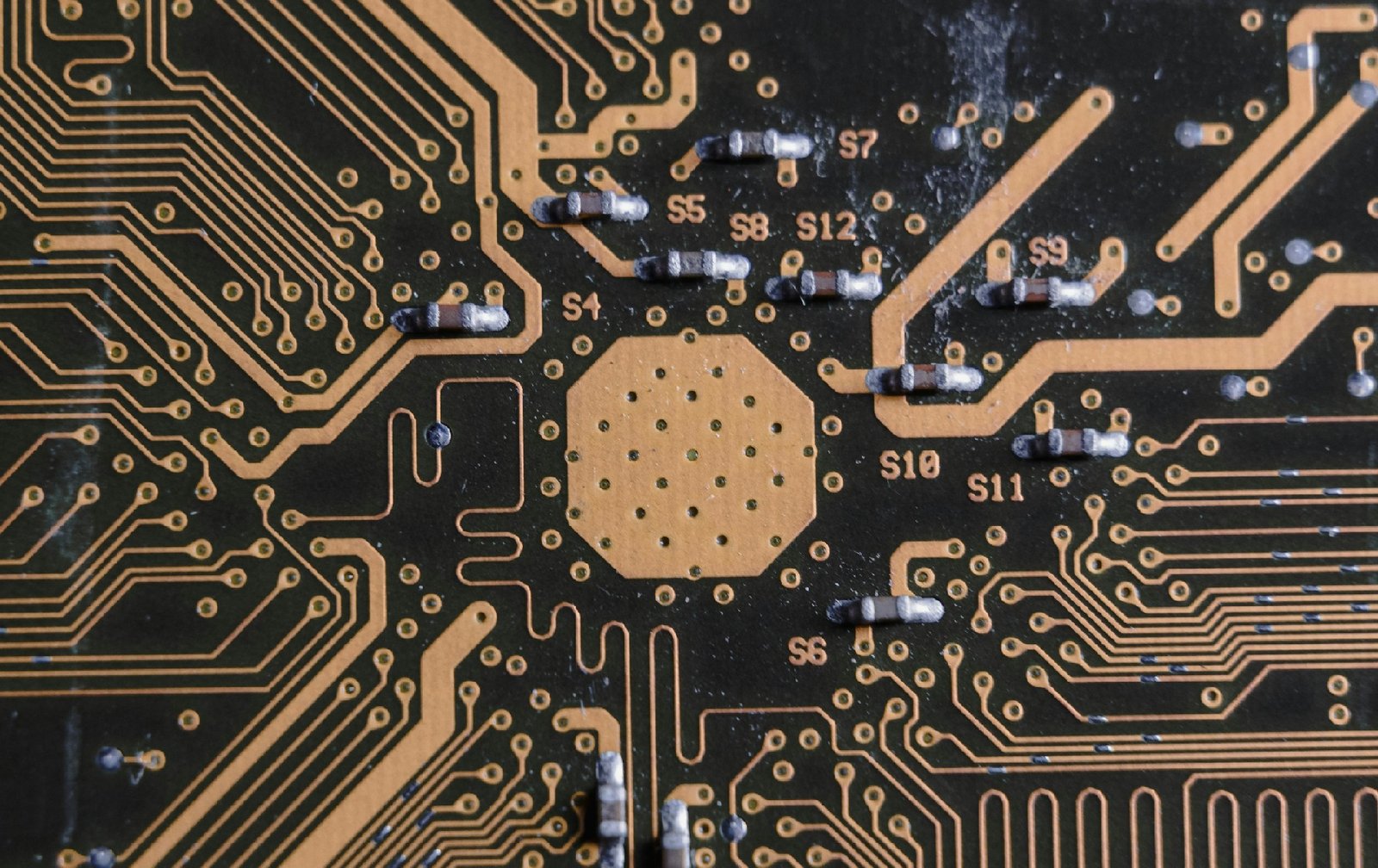
Electronics design and embedded systems development require a wide array of electronic parts and tools to bring concepts to life. Whether you are a hobbyist, student, or professional in the field, having the right components and equipment is crucial for successful projects. In this guide, we will explore some essential electronic parts and tools that are commonly used in electronics design and embedded systems. 1. Microcontrollers: Microcontrollers are the heart of embedded systems, providing the processing power and logic control for various applications. Popular microcontroller families include Arduino, Raspberry Pi, and PIC, each with its own strengths and capabilities. 2. Sensors: Sensors play a vital role in collecting data from the environment and providing input to the microcontroller. Common sensors used in electronics design include temperature sensors, light sensors, motion sensors, and proximity sensors. 3. Actuators: Actuators are devices that convert electrical signals into physical actions. Examples of actuators are motors, servos, and solenoids, which are frequently used in robotics, automation, and control systems. 4. Resistors, Capacitors, and Inductors: Passive components like resistors, capacitors, and inductors are fundamental building blocks in electronic circuits. Resistors control the flow of current, capacitors store and release electrical energy, and inductors store energy in a magnetic field. 5. Integrated Circuits (ICs): Integrated circuits contain multiple electronic components and are used for specific functions like amplification, signal processing, and communication. ICs come in various packages such as DIP, SOP, and QFN, and are essential in modern electronics design. 6. Breadboards and Prototyping Boards: Breadboards are essential tools for prototyping circuits without soldering. They allow designers to quickly iterate and test circuits before finalizing the design. Prototyping boards provide a more permanent solution for transferring circuits from a breadboard to a PCB. 7. Oscilloscope: An oscilloscope is a versatile tool for visualizing and analyzing electronic signals. It allows designers to observe waveforms, measure voltages and frequencies, and debug circuits efficiently. 8. Soldering Iron and Supplies: Soldering is a fundamental skill in electronics design for creating permanent connections between components. A good quality soldering iron, solder wire, flux, and desoldering pump are necessary tools for working with through-hole and surface-mount components. 9. Multimeter: A multimeter is a handheld device used for measuring voltage, current, resistance, and continuity in electronic circuits. It is an essential tool for troubleshooting circuits and verifying component values. 10. Power Supply: A stable and reliable power supply is essential for powering electronic circuits during development and testing. Bench power supplies provide variable voltage and current outputs, allowing designers to simulate different operating conditions. In conclusion, having a good understanding of essential electronic parts and tools is key to successful electronics design and embedded systems projects. By leveraging the right components and equipment, designers can create innovative solutions and bring their ideas to life in the world of electronics. Whether you are just starting or are experienced in the field, investing in quality parts and tools will undoubtedly enhance your capabilities and creativity in electronics design and embedded systems development.
Leave a Comment:
SEARCH
Recent News
- Vancouver is rapidly becoming a hub for innovative startups in the fields of GPU technology, artificial intelligence (AI), and electronics. These industries are thriving in the city, attracting entrepreneurs, investors, and talent from around the world. In this blog post, we will introduce some of the top startups in Vancouver that are making a significant impact in these sectors.
- **The Role of GPUs in Advancing AI Electronics in Vancouver's Import-Export Industry**
- Vancouver has emerged as a thriving hub for the electronics industry, especially in the realm of GPU and AI technologies. Companies in Vancouver are leading the way in developing cutting-edge solutions that leverage the power of GPUs and AI to drive innovation across various sectors.
- Vancouver is home to a thriving tech scene, with several companies leading the way in GPU, AI, and electronics innovation. In this article, we will take a look at some of the best companies in Vancouver that are at the forefront of these technologies.
- The UK government has been at the forefront of supporting businesses in various sectors, including electronics and AI, through a range of support programs. One key area where this support is particularly evident is in the development of GPU technology.
- In today's fast-paced technological landscape, the intersection of GPUs, AI, and electronics has revolutionized various industries. Ireland, known for its vibrant tech scene, is home to several top companies at the forefront of this cutting-edge integration. Let's take a closer look at some of the top Irish companies making significant strides in the GPU, AI, and electronics space.
- Tokyo is a hub for top companies in the fields of GPU, AI, and electronics. These companies play a significant role in driving innovation and technological advancements in various industries. Let's take a closer look at some of the top companies in Tokyo in these sectors.
- Tokyo is known for its vibrant startup scene, with numerous companies emerging in various industries, including GPU, AI, and electronics. In recent years, these three sectors have seen a surge in innovation and growth, driven by the increasing demand for advanced technology solutions.
READ MORE
11 months ago Category :

Vancouver is rapidly becoming a hub for innovative startups in the fields of GPU technology, artificial intelligence (AI), and electronics. These industries are thriving in the city, attracting entrepreneurs, investors, and talent from around the world. In this blog post, we will introduce some of the top startups in Vancouver that are making a significant impact in these sectors.
Read More →11 months ago Category :

**The Role of GPUs in Advancing AI Electronics in Vancouver's Import-Export Industry**
Read More →11 months ago Category :

Vancouver has emerged as a thriving hub for the electronics industry, especially in the realm of GPU and AI technologies. Companies in Vancouver are leading the way in developing cutting-edge solutions that leverage the power of GPUs and AI to drive innovation across various sectors.
Read More →11 months ago Category :
