Electronics Design and Embedded Systems in Amsterdam Port Customs Clearance
Category : | Sub Category : Affordable Distributors of Electronic Connectors Posted on 2025-11-03 22:25:23
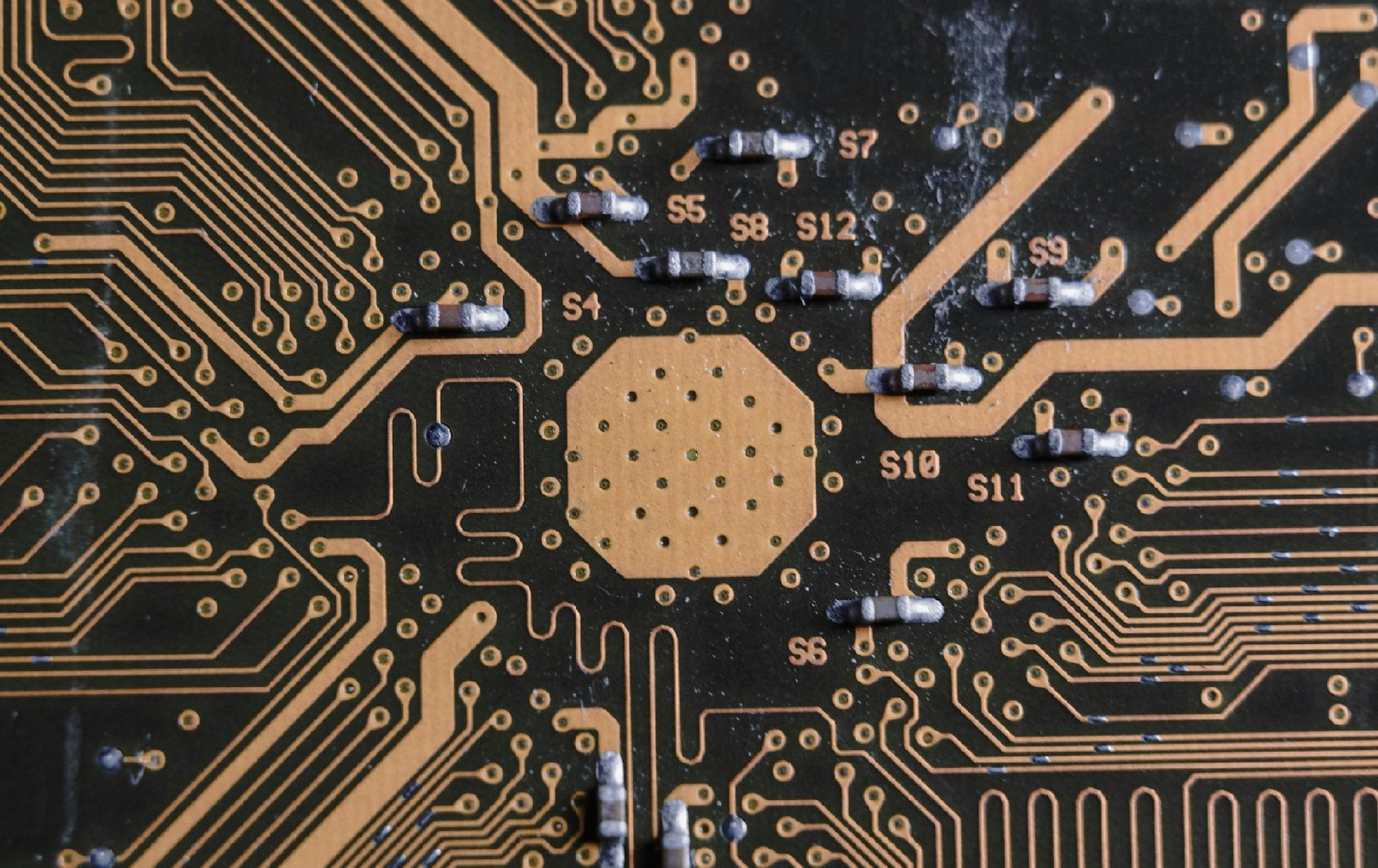
As technology continues to advance, the importance of electronics design and embedded systems in various industries is becoming more evident. One key area where these technologies play a crucial role is in customs clearance processes at ports, such as the Amsterdam Port in the Netherlands. Customs clearance at ports is a complex and time-sensitive process that involves the inspection, verification, and release of goods entering or leaving a country. In the case of the Amsterdam Port, which is one of the largest and busiest ports in Europe, efficient customs clearance is essential to keep the flow of goods smooth and uninterrupted. Electronics design and embedded systems come into play in customs clearance processes by providing automated solutions that streamline and expedite the inspection and verification of goods. These technologies are used to develop sophisticated systems that can track, monitor, and manage the movement of goods in real-time, ensuring compliance with customs regulations and minimizing delays. One of the key aspects of electronics design in customs clearance systems is the use of sensors and monitoring devices to gather data about the goods being transported. These sensors can detect various parameters such as temperature, humidity, location, and condition of the goods, allowing customs officials to have real-time information about the shipment. Embedded systems, on the other hand, refer to the integration of electronic components and software to create a dedicated computing system for specific tasks. In the context of customs clearance at ports, embedded systems are used to control and manage the data collected by sensors, process it, and provide insights to customs officials for decision-making. For example, embedded systems can be employed to analyze data collected from sensors to identify any anomalies or discrepancies in the goods being transported. This information can then be used to flag suspicious shipments for further inspection, ensuring security and compliance with customs regulations. Moreover, electronics design and embedded systems can also facilitate communication and data exchange between various stakeholders involved in the customs clearance process, such as shipping companies, customs authorities, and logistics providers. This seamless integration of information systems helps to improve collaboration, reduce paperwork, and enhance transparency in the supply chain. In conclusion, electronics design and embedded systems play a vital role in modernizing customs clearance processes at ports, including the Amsterdam Port in the Netherlands. By leveraging these technologies, customs authorities can enhance efficiency, accuracy, and security in inspecting and verifying goods, ultimately contributing to the smooth operation of international trade and commerce. Looking for expert opinions? Find them in https://www.alliancespot.com Don't miss more information at https://www.modernos.org Dropy by for a visit at https://www.indicazioni.com Also Check the following website https://www.abandonar.org If you're interested in this topic, I suggest reading https://www.departements.org For an alternative viewpoint, explore https://www.envoyer.org Get a comprehensive view with https://www.isamsterdam.com
Leave a Comment:
SEARCH
Recent News
- Vancouver is rapidly becoming a hub for innovative startups in the fields of GPU technology, artificial intelligence (AI), and electronics. These industries are thriving in the city, attracting entrepreneurs, investors, and talent from around the world. In this blog post, we will introduce some of the top startups in Vancouver that are making a significant impact in these sectors.
- **The Role of GPUs in Advancing AI Electronics in Vancouver's Import-Export Industry**
- Vancouver has emerged as a thriving hub for the electronics industry, especially in the realm of GPU and AI technologies. Companies in Vancouver are leading the way in developing cutting-edge solutions that leverage the power of GPUs and AI to drive innovation across various sectors.
- Vancouver is home to a thriving tech scene, with several companies leading the way in GPU, AI, and electronics innovation. In this article, we will take a look at some of the best companies in Vancouver that are at the forefront of these technologies.
- The UK government has been at the forefront of supporting businesses in various sectors, including electronics and AI, through a range of support programs. One key area where this support is particularly evident is in the development of GPU technology.
- In today's fast-paced technological landscape, the intersection of GPUs, AI, and electronics has revolutionized various industries. Ireland, known for its vibrant tech scene, is home to several top companies at the forefront of this cutting-edge integration. Let's take a closer look at some of the top Irish companies making significant strides in the GPU, AI, and electronics space.
- Tokyo is a hub for top companies in the fields of GPU, AI, and electronics. These companies play a significant role in driving innovation and technological advancements in various industries. Let's take a closer look at some of the top companies in Tokyo in these sectors.
- Tokyo is known for its vibrant startup scene, with numerous companies emerging in various industries, including GPU, AI, and electronics. In recent years, these three sectors have seen a surge in innovation and growth, driven by the increasing demand for advanced technology solutions.
READ MORE
11 months ago Category :

Vancouver is rapidly becoming a hub for innovative startups in the fields of GPU technology, artificial intelligence (AI), and electronics. These industries are thriving in the city, attracting entrepreneurs, investors, and talent from around the world. In this blog post, we will introduce some of the top startups in Vancouver that are making a significant impact in these sectors.
Read More →11 months ago Category :

**The Role of GPUs in Advancing AI Electronics in Vancouver's Import-Export Industry**
Read More →11 months ago Category :

Vancouver has emerged as a thriving hub for the electronics industry, especially in the realm of GPU and AI technologies. Companies in Vancouver are leading the way in developing cutting-edge solutions that leverage the power of GPUs and AI to drive innovation across various sectors.
Read More →11 months ago Category :
